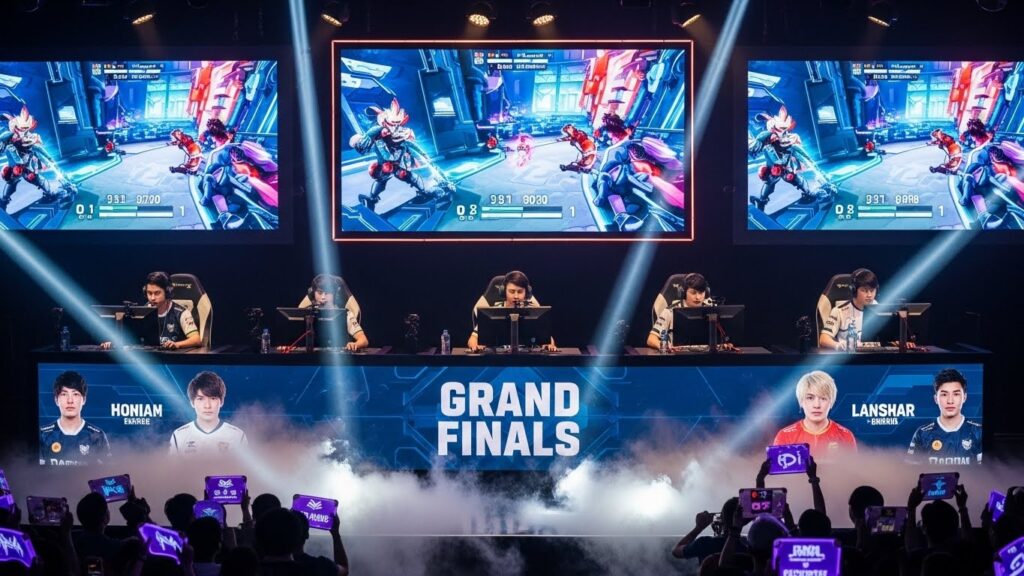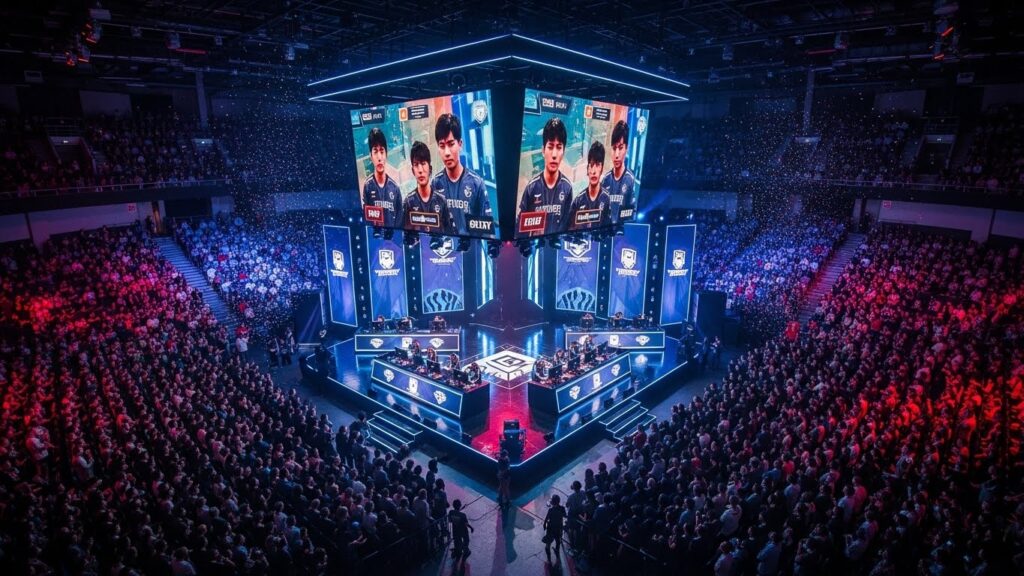
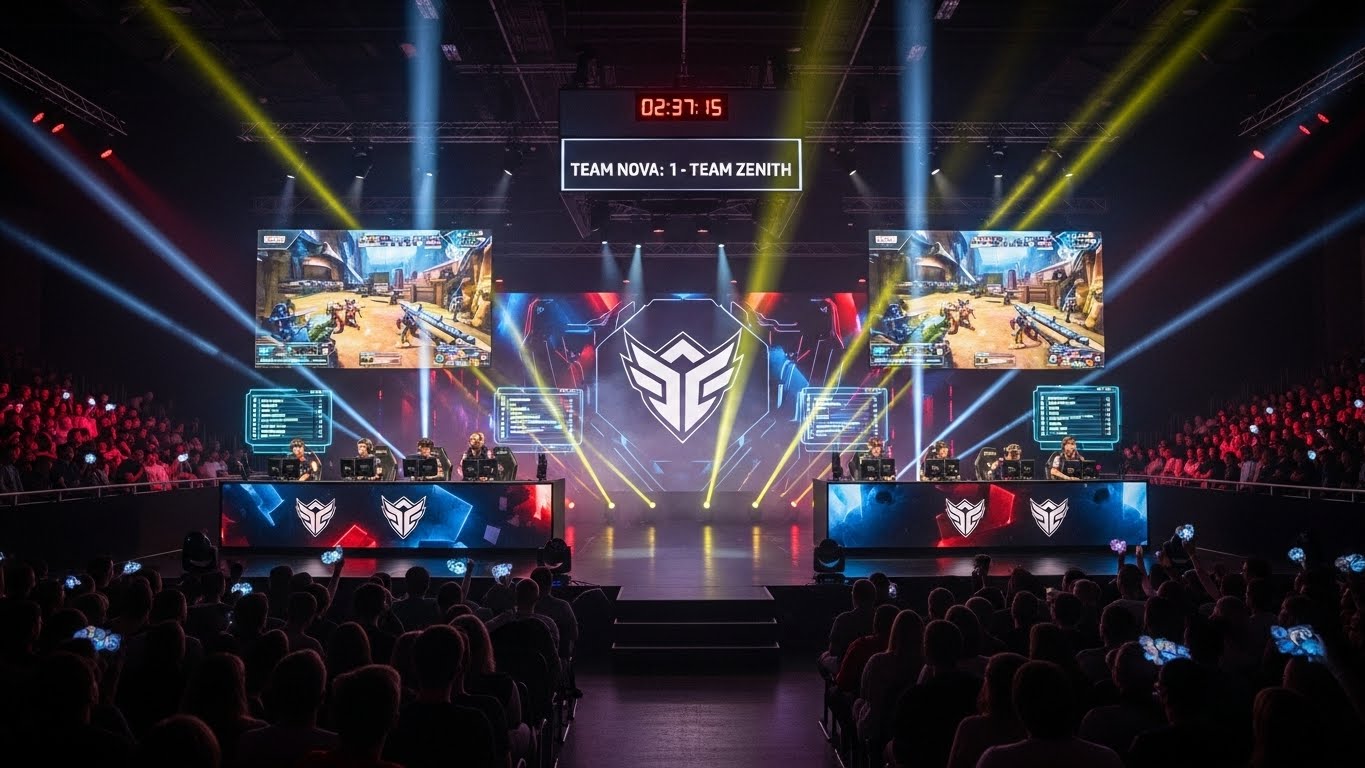
Esports, or electronic sports, has evolved from a niche pastime to a global phenomenon that attracts millions of viewers, players, and investors alike. What started as a small-scale activity where gamers competed in arcade tournaments has transformed into a multi-billion-dollar industry, capturing the imagination of people worldwide. In this blog post, we will explore the origins, growth, and future of esports, its impact on the gaming industry, and its integration into mainstream entertainment.
The Birth of Esports: From Arcades to Online Platforms
Esports has its roots in the 1970s and 1980s when gaming was still in its infancy. Early arcade games like Pong, Space Invaders, and Pac-Man became the foundation of competitive gaming. These games were played in arcades, and players would compete for the highest scores. However, it wasn’t until the 1990s that organized competitive gaming began to take shape.
The first notable esports tournament took place in 1997 when the Red Annihilation tournament for Quake drew players from around the world to compete for a Ferrari. This event was a turning point for esports, proving that there was a market for competitive gaming. The advent of the internet in the late 1990s also played a key role, as it allowed players to compete against each other remotely, breaking the geographical barriers that limited tournaments to specific locations.
As technology advanced, more games with competitive multiplayer elements emerged, setting the stage for the modern esports industry. Titles like StarCraft, Warcraft III, and Counter-Strike gained massive popularity in the early 2000s, with tournaments and leagues becoming more frequent and attracting larger audiences.
The Growth of Esports: From Hobby to Profession
By the 2010s, esports was no longer just a hobby or casual pastime. The industry saw exponential growth, thanks to several factors, including the rise of streaming platforms, the mainstream popularity of games like League of Legends, Dota 2, and Overwatch, and the increasing professionalization of the scene.
The Role of Streaming Platforms
One of the key drivers behind the growth of esports was the emergence of streaming platforms like Twitch and YouTube Gaming. These platforms allowed gamers to broadcast their gameplay to global audiences, creating a new way for fans to engage with their favorite players and teams. Twitch, launched in 2011, quickly became the go-to platform for live gaming content. It allowed esports tournaments to be streamed in real-time, giving fans a chance to watch high-level competitive play from anywhere in the world.
The streaming model also enabled players to build personal brands and gain financial support from sponsorships, donations, and subscriptions. Streamers, who were once just casual players, became full-time content creators, some of whom made millions of dollars a year. The professionalization of streaming helped elevate esports from a niche activity to a mainstream entertainment option.
The Explosion of Esports Events
As esports gained popularity, so did its events. High-profile tournaments like The International (for Dota 2), the League of Legends World Championship, and CS:GO Major Championships became staples of the competitive gaming calendar. These events attracted massive audiences both online and in-person. The prize pools for these tournaments grew exponentially, with some events offering tens of millions of dollars in rewards.
The International, for example, consistently sets records for the largest esports prize pools. In 2018, the tournament offered a prize pool of over $25 million, primarily funded by fans through in-game purchases. These large-scale events often take place in massive arenas, with thousands of fans in attendance, creating an atmosphere comparable to traditional sports.
Moreover, the advent of esports leagues, such as the Overwatch League and Call of Duty League, has introduced a more structured format to competitive gaming. These leagues mimic traditional sports leagues with teams representing specific cities or organizations, players signing contracts, and sponsorship deals being signed for millions of dollars.
The Rise of Esports Teams and Sponsorships
In line with the increasing professionalization of esports, the formation of professional teams and organizations has become a central aspect of the industry. Just like traditional sports, esports teams have players who specialize in specific games, coaches, analysts, and managers. Many teams are signed to major esports organizations like Cloud9, Team Liquid, and T1, while others are backed by traditional sports franchises, such as the New York Yankees’ investment in FaZe Clan.
Sponsorships have also played a massive role in the growth of esports. Companies like Coca-Cola, Intel, and Red Bull have recognized the immense potential of esports audiences and have become key sponsors for tournaments, teams, and players. These sponsorships provide the financial backing needed for events to thrive, allowing organizers to offer larger prize pools and higher production values.
Esports and Its Impact on the Gaming Industry
Esports has reshaped the gaming industry in numerous ways, not only by creating a new form of entertainment but also by influencing how games are developed, marketed, and consumed.
Competitive Balance and Game Design
As esports continues to grow, game developers are increasingly designing titles with competitive play in mind. Games like League of Legends, Counter-Strike: Global Offensive, and Rocket League are built around the concept of competition, with clear mechanics, balance, and regular updates to ensure a healthy esports ecosystem. Developers often listen to player feedback and make adjustments to maintain a fair competitive environment, which is crucial for esports longevity.
Moreover, the focus on esports has led to the development of new genres of games. Battle Royale games, for example, gained widespread popularity in the esports space, with titles like Fortnite and PUBG becoming household names. These games are designed to be fast-paced and accessible, attracting both casual players and professional competitors.
Monetization and Streaming Culture
The monetization of esports through streaming has also had a significant impact on the gaming industry. Streaming platforms like Twitch and YouTube Gaming are now crucial for a game’s success. Developers now design games with streaming in mind, incorporating features that make it easier for players to share their gameplay. These features include built-in streaming capabilities, viewer interaction tools, and in-game events designed to engage audiences.
Furthermore, in-game microtransactions and loot boxes have become a common method for developers to generate revenue. While this has faced criticism from certain sections of the gaming community, it has also enabled developers to fund ongoing development and esports initiatives, such as in-game events or esports sponsorships.
The Emergence of Esports Betting
Esports betting has become a huge industry in itself, with fans betting on their favorite teams or players in tournaments. Similar to traditional sports betting, esports betting is regulated in some regions, offering fans another way to engage with their favorite games. This has also introduced new economic avenues for teams and players, with many of them having sponsorship deals related to esports betting platforms.
The Global Appeal of Esports
One of the most remarkable aspects of esports is its global reach. While traditional sports often have regional fanbases, esports transcends borders, with games like League of Legends and Valorant having players and fans from all corners of the globe. This global appeal is reinforced by online platforms that allow players to compete from anywhere with an internet connection.
Esports also appeals to a diverse audience. While the stereotype of gamers as young males still exists, studies show that the audience for esports is far more diverse, with growing interest from female gamers and older demographics. This inclusivity helps foster a sense of community and ensures that esports continues to thrive across various cultures and regions.
The Role of Esports in Education
In recent years, many universities and schools have recognized the potential of esports as a tool for education and personal development. Esports programs are being introduced at various educational institutions, offering scholarships, coaching, and resources for aspiring professional gamers. This has created a clear career path for talented players who want to pursue a future in competitive gaming, further legitimizing esports as a legitimate career choice.
The Future of Esports: What Lies Ahead?
As the esports industry continues to grow, it is clear that we are only scratching the surface of its potential. The future of esports looks promising, with increasing investments, a broader global fanbase, and more opportunities for players and teams to make a living.
Esports and Virtual Reality
One exciting development on the horizon is the integration of virtual reality (VR) into esports. VR gaming has already made waves in casual gaming, and as the technology improves, it could have a profound impact on competitive gaming. Imagine esports tournaments taking place in fully immersive VR environments, where players and fans can interact with the game world in unprecedented ways. The possibilities are endless.
Mainstream Media and Esports
Esports is becoming a fixture in mainstream media, with traditional networks like ESPN broadcasting major tournaments, and platforms like Netflix exploring the idea of esports documentaries and series. This increased visibility will only help expand esports’ reach and solidify its place in popular culture.
The Road to the Olympics
Another exciting prospect for esports is its potential inclusion in the Olympics. While it may be several years before this happens, discussions about adding esports as a medal event have already begun. If esports does make it into the Olympics, it would mark a historic moment for the industry, cementing its status as a legitimate and respected form of competition.
Conclusion
Esports is no longer a passing trend—it is a global, multi-billion-dollar industry that continues to shape the future of gaming and entertainment. From its humble beginnings in arcades to becoming a global competitive spectacle, esports has transformed the way we think about gaming. With its rapid growth, expanding fanbase, and potential for innovation, the future of esports is bright, and it’s only a matter of time before it takes its rightful place alongside traditional sports as a mainstream form of entertainment.